
Quick Answer
Yes, international students can get arts and humanities scholarships for both the 2026 and 2027 academic years, but the funding landscape looks different from STEM or business. Government cultural-exchange programmes like Fulbright, Chevening, and DAAD treat arts and humanities equally with all other fields. University department awards and private cultural foundations — Paul Mellon Centre, Getty, and similar — often provide the most targeted funding but are rarely listed on general databases. Your strongest assets are a portfolio or audition for practice-based arts, or a writing sample and research proposal for academic humanities. Fully funded options exist, but they require a more deliberate search than STEM applicants typically face.
Arts & Humanities Scholarships at a Glance
| Detail | Information |
|---|---|
| Main funding sources | Governments, universities, private cultural foundations |
| Flagship government awards | Fulbright, Chevening, DAAD, Australia Awards, Commonwealth |
| Key private foundations | Paul Mellon Centre, Getty Foundation, Mellon Foundation |
| Arts application focus | Portfolio, audition, or creative work sample |
| Humanities application focus | Writing sample and research proposal |
| English requirement | University-set; IELTS, TOEFL, PTE, or Medium of Instruction may be accepted |
Types of Scholarships
By Country
Top Programmes
Portfolio & Writing Sample Guide
How to Apply
Mistakes to Avoid
FAQs
Arts vs. Humanities: Why the Difference Matters for Your Scholarship Application
International students often treat “arts” and “humanities” as the same thing, but scholarship committees evaluate them differently. This single confusion causes more misdirected applications than almost any other mistake in the field.
Practice-based arts — fine art, design, music, theatre, dance, film, architecture, creative writing — usually require a portfolio, audition tape, or creative work sample. Your technical skill, artistic voice, and creative process are the primary evidence. Grades matter less than the quality of your work.
Academic humanities — history, philosophy, literature, languages, classics, art history, area studies — usually require a writing sample and research proposal. Your ability to construct an argument, engage with primary sources, and articulate a clear research question is what reviewers assess. Grades and academic references matter more than in practice-based arts.
Some fields sit between both (art history, film studies, cultural studies). In those cases, check whether the scholarship asks for a portfolio, a writing sample, or both — and prepare accordingly.
Types of Arts & Humanities Scholarships for International Students
| Scholarship Type | Who Funds It | What Makes It Important |
|---|---|---|
| Government-Funded | Fulbright, Chevening, DAAD, Australia Awards, Commonwealth | Treats arts and humanities equally with STEM. Often fully funded. Some have dedicated arts tracks. |
| University-Funded | Departments, graduate schools, or central admissions | Department-specific awards (e.g., History, English, Fine Arts) often go unpublicized. Assistantships can provide tuition waiver + stipend. |
| Private / Cultural Foundation-Funded | Paul Mellon Centre, Getty Foundation, Mellon Foundation, cultural trusts | Highly specialized. Often support research, conservation, or creative work. Can be generous and are usually open to international applicants. |
| Named / Prestigious Fellowships | Rhodes, Gates Cambridge, Schwarzman, Ertegun | Open to all fields, including arts and humanities. Fully funded, highly competitive, require exceptional academic and leadership profiles. |
Arts & Humanities Scholarships by Country
| Country | Funding Highlights | Full Guide |
|---|---|---|
| 🇺🇸 USA | Fulbright supports all fields, including strong arts and humanities tracks. Many university assistantships available. Mellon Foundation and Getty provide research funding. | USA Scholarships Guide |
| 🇬🇧 UK | Chevening and Commonwealth cover arts and humanities master’s. AHRC funds PhDs, with international eligibility but often home-fee rate only. Rhodes and Gates Cambridge are all-field options. | UK Scholarships Guide |
| 🇦🇺 Australia | Australia Awards fund all fields. Strong university scholarships at ANU, Melbourne, and Sydney for humanities and creative arts. | Australia Scholarships Guide |
| 🇩🇪 Germany | DAAD offers dedicated Study Scholarships for Fine Arts, Design, Film, Music, and Performing Arts. Many public universities charge no tuition. See our DAAD guide. | Germany Scholarships Guide |
Top Arts & Humanities Scholarship Programmes
Fulbright Foreign Student Program (USA)
Fully funded for master’s and PhD study across all fields, including arts and humanities. Operates in over 155 countries. See our Fulbright application guide.
Chevening Scholarships (UK)
Fully funded one-year master’s in any field, including arts and humanities. Requires leadership potential and a strong academic record. See our Chevening guide.
DAAD Study Scholarships – Fine Arts, Architecture, Music (Germany)
Dedicated scholarships for international students in visual arts, design, film, music, architecture, and performing arts. Fully funded with stipend, insurance, and travel. Portfolio or audition is central. Verify current details at daad.de.
Rhodes Scholarship (University of Oxford, UK)
Fully funded and open to all fields, including humanities and arts. Selection based on academic excellence, leadership, and service. Verify eligibility at rhodeshouse.ox.ac.uk.
Gates Cambridge Scholarship (University of Cambridge, UK)
Fully funded for any postgraduate subject. Open to international students from all countries. Strong research proposal is essential. Verify at gatescambridge.org.
Commonwealth Scholarships (UK)
Fully funded master’s and PhD scholarships for students from Commonwealth countries. Arts and humanities are eligible. See our Commonwealth Scholarship overview.
AHRC Doctoral Landscape Awards (UK)
The Arts and Humanities Research Council funds PhD research across the UK. International applicants can be eligible, but often only the home fee rate is covered and the number of international awards may be capped (commonly up to one-third). Always check the specific university’s AHRC funding terms.
Paul Mellon Centre & Getty Foundation
Specialist funders for art history, visual arts research, conservation, and curatorial work. The Paul Mellon Centre focuses on British art and architectural history and has expanded international eligibility. The Getty supports art history research through pre- and postdoctoral fellowships. Verify current calls at their websites.
Portfolio & Writing Sample Guide: What Scholarship Committees Actually Look For
For Practice-Based Arts: Portfolio and Audition
A strong portfolio or audition is often the single most important component of your arts scholarship application. It matters more than your GPA.
- Select your strongest 10–20 pieces — quality over quantity. Show range but avoid padding.
- Sequence intentionally — open with your strongest work and end with another strong piece.
- Include process documentation — sketchbooks, drafts, or work-in-progress shots demonstrate how you think.
- Write a clear artist statement — 300–500 words connecting your work to the scholarship’s focus.
- Follow technical requirements exactly — file format, size, number of works, and submission method. DAAD, for example, requires portfolio materials through its media database.
- Prepare to discuss your work — many scholarships include an interview or portfolio review.
For Academic Humanities: Writing Sample and Research Proposal
Your writing sample or research proposal is the humanities equivalent of a portfolio. It demonstrates your ability to think critically and write persuasively.
- Choose a recent academic essay or dissertation chapter — ideally one that aligns with your proposed research topic.
- Keep within the word limit — usually 1,000–3,000 words, but check each funder.
- Showcase original argument — a strong thesis, evidence-based analysis, and clear structure.
- For PhD applications, write a concise research proposal covering research question, literature context, methodology, sources, feasibility, and expected contribution.
- Connect your work to the funder’s priorities — AHRC, Paul Mellon Centre, and Getty each have specific research areas. Align your proposal with them.
- Proofread meticulously — academic reviewers notice errors quickly.
How to Apply for Arts & Humanities Scholarships — Step by Step
- Determine whether you need a portfolio or a writing sample. This changes your entire preparation strategy.
- Start with government flagships. Fulbright, Chevening, DAAD, Australia Awards, and Commonwealth all fund arts and humanities. Check your country’s eligibility early.
- Search university department pages directly. Use terms like “[University] [Department] graduate funding international”. Departmental assistantships are often not listed on central scholarship pages.
- Target field-specific foundations. Art historians should check Paul Mellon Centre and Getty; musicians should check DAAD music scholarships; writers should search creative writing trusts.
- Prepare documents early. Transcripts, CV, 2–3 recommendation letters, personal statement, and your portfolio or writing sample. Not sure how your grades translate? Use our GPA to percentage converter.
- Apply to multiple sources. Diversify across government, university, and foundation awards. Partial funding can be combined.
Common Mistakes That Weaken Arts & Humanities Scholarship Applications
- Searching only for “arts scholarships” or “humanities scholarships.” Many fully funded awards (Fulbright, Chevening, Rhodes) are broad-field and won’t appear in discipline-specific searches.
- Submitting a weak portfolio or writing sample. This is the most heavily weighted component in most arts and humanities awards.
- Ignoring department-specific funding. Central scholarship pages often miss departmental assistantships.
- Assuming government scholarships are only for STEM. Fulbright, Chevening, and DAAD all explicitly support arts and humanities.
- Not verifying AHRC international fee status. AHRC may only cover home-rate fees for international students, leaving a gap. Check each university’s terms.
Frequently Asked Questions
Can I get an arts or humanities scholarship without IELTS?
▼
Are there fully funded scholarships for arts and humanities students?
▼
Do I need a portfolio for a humanities scholarship?
▼
Can international students apply for AHRC funding?
▼
Are there scholarships specifically for art history or music students?
▼
What should a humanities writing sample include?
▼
Official Resources
Continue your scholarship journey:
- → Scholarships for International Students (Pillar Guide)
- → Master’s Scholarships for International Students
- → PhD Scholarships for International Students
- → Chevening Application Guide
- → Fulbright Application Guide
- → Commonwealth Scholarship: Complete Guide
- → Erasmus Mundus Joint Masters Guide
- → Scholarships in the USA
- → Scholarships in the UK
- → Scholarships in Australia
- → Scholarships in Germany
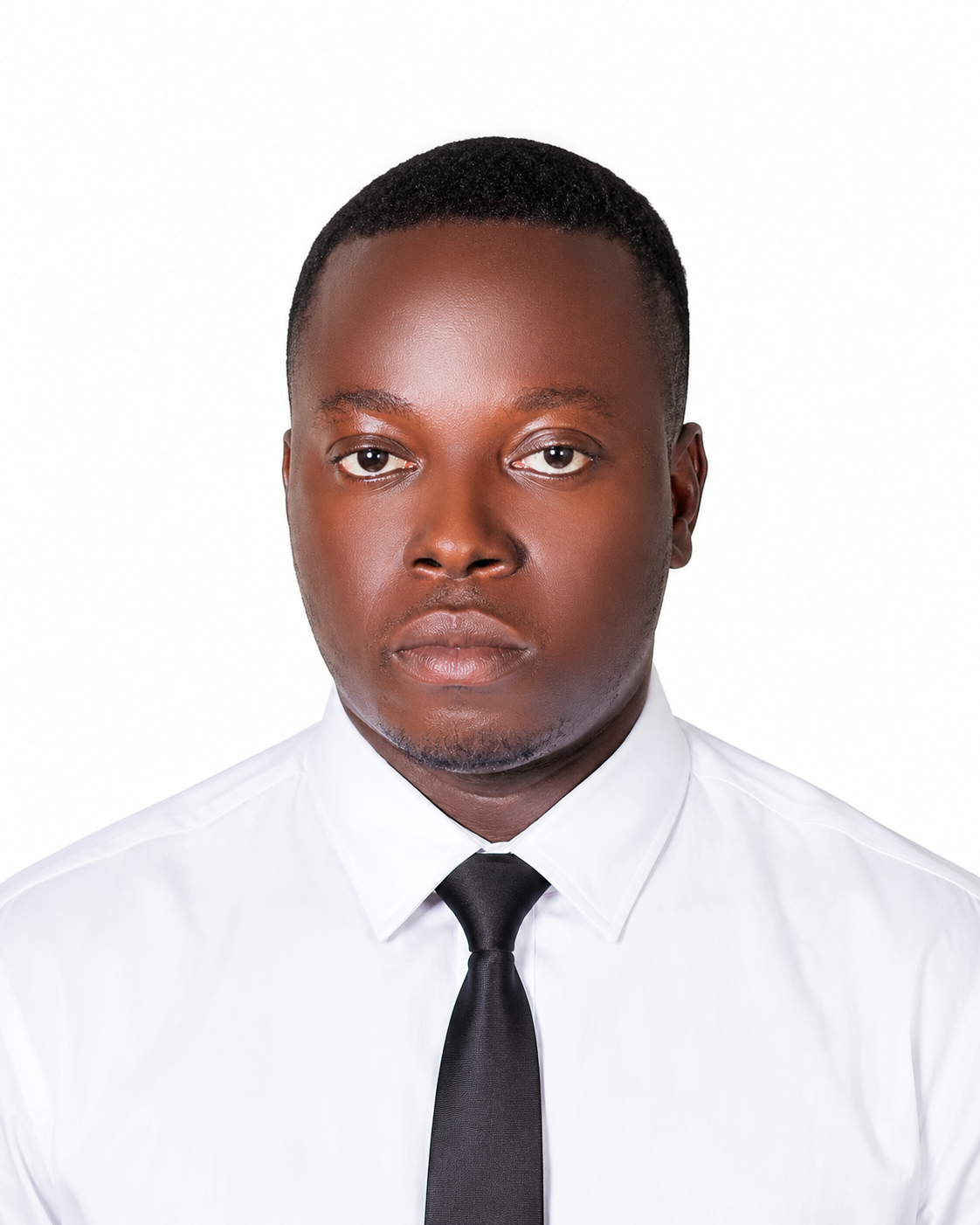
Christian Chinonso is the founder of LearnViaHub, with 6+ years of research experience in international education, GPA systems, and study-abroad guidance for international students.Christian Chinonso is the founder of LearnViaHub, with 6+ years of research experience in international education — including GPA systems, scholarships, student financing, and study-abroad guidance — for students worldwide.