
QUICK ANSWER
Yes, you can use the Chevening Scholarship to fund a one‑year UK MBA. Chevening covers tuition up to £22,000, plus a monthly living stipend, flights, and more. This guide explains the tuition cap, course selection strategy, and how to submit a winning application.
🔗 Sources: Chevening.org & FCDO
Chevening MBA Snapshot
| Host Country | United Kingdom |
| Funding Type | Fully Funded (with cap) |
| Tuition Cap | £22,000 (scholar covers any excess) |
| Living Stipend | ~£1,100 – £1,300 / month |
| MBA Duration | One‑year full‑time |
| Work Experience | Minimum 2 years (2,800 hours) |
| Application Deadline | October 2027 |
| Eligible Countries | 160+ Chevening‑eligible countries |
| Post‑Study Obligation | Return to home country for 2 years |
| Official Link | chevening.org |
Free 2‑minute quiz – based on official Chevening criteria
What Is the Chevening Scholarship?
Chevening is the UK government’s flagship international leadership programme, funded by the Foreign, Commonwealth & Development Office (FCDO). It awards fully funded one‑year master’s degrees at any UK university to outstanding professionals from 160+ eligible countries. The scholarship looks for future leaders with a clear career plan and a commitment to returning home to drive positive change. For a complete overview of the application process, benefits, and tools, see our full Chevening Scholarship Guide. Here, we focus specifically on using Chevening to fund your MBA.
Can Chevening Fully Fund Your MBA? The £22,000 Tuition Cap Explained
Chevening will cover full tuition up to £22,000 for your MBA. That’s a significant contribution, but many top UK MBA programmes cost £30,000–£60,000. If your programme’s tuition exceeds the cap, you must fund the difference yourself—either from personal savings, a university scholarship, or another sponsor.
💷 The £22,000 MBA Tuition Cap – What It Means
- Chevening pays the first £22,000 of your MBA tuition fees directly to the university.
- You are responsible for any remaining tuition balance. Example: a £45,000 MBA leaves you to cover £23,000.
- The cap applies only to tuition. Your living stipend, flights, and other allowances are unaffected.
- Many scholars negotiate a partial scholarship from the business school to close the gap—this is common and encouraged.
| Business School | Approx. MBA Tuition (2027) | Chevening Covers | You Cover |
|---|---|---|---|
| Warwick Business School | £49,950 | £22,000 | £27,950 |
| Alliance Manchester Business School | £46,000 | £22,000 | £24,000 |
| University of Edinburgh Business School | £35,900 | £22,000 | £13,900 |
| Durham University Business School | £35,000 | £22,000 | £13,000 |
| University of Birmingham Business School | £32,580 | £22,000 | £10,580 |
In addition to tuition, Chevening provides a monthly living stipend (~£1,100–£1,300 depending on location), round‑trip airfare, an arrival allowance, and covers the visa application fee. So even with a top‑up, you’re still getting a substantial financial package.
💡 Expert Tip
Apply early to your target universities and ask about Chevening‑specific top‑up scholarships. Some schools, like Warwick and Manchester, have dedicated awards that cover the gap between Chevening’s cap and their full tuition fees.
Chevening MBA Eligibility
To apply for a Chevening‑funded MBA, you must meet the following core requirements. The two biggest deal are work experience and the tuition cap we covered above.
- Citizenship: You must be a citizen of a Chevening‑eligible country (160+ nations).
- Undergraduate degree: A bachelor’s degree (or equivalent) with no specific GPA requirement, but strong academics help.
- Work experience: Minimum 2 years – exactly 2,800 hours – of eligible work experience. Full‑time, part‑time, internships, and volunteering count if post‑degree.
- English language: IELTS Academic (6.5+), TOEFL iBT (79+), PTE Academic (58+), or Cambridge C1 Advanced (176+) are accepted. Some MBA programmes may require higher scores.
- No previous UK government scholarship: You must not have previously received a UK government‑funded scholarship for a master’s degree.
- No age limit: Chevening has no age cap. Candidates of any age can apply.
🎓 No GMAT Required by Chevening
Chevening does not require GMAT or GRE scores. This is a massive advantage for MBA applicants who haven’t taken standard tests. However, some UK business schools may still ask for a GMAT score for admission. Always check your target school’s entry requirements.
How to Choose Your MBA Courses (The 3‑Choice Rule)
Chevening requires you to select three distinct master’s courses in your application – and only one of them can be an MBA. This rule trips up many applicants. The key is to build a set of choices that tell a consistent career story while maximizing your chances of acceptance.
📌 The 3‑Choice Rule at a Glance
- Choice 1 (Your MBA): The full‑time MBA programme you most want to attend.
- Choice 2 & 3 (Complementary programmes): Related master’s that support the same career goal but are not MBAs – e.g., MSc International Business, MSc Finance, MSc Management, or an MSc in a sector you plan to lead.
- All three must be taught programmes at UK universities. Research degrees (MPhil/PhD) are not eligible.
- They can be at the same university – that’s allowed and can simplify logistics – but must be distinct courses.
Here’s a realistic example for a candidate aiming to lead in international development finance:
| Choice | Programme | Why It Fits |
|---|---|---|
| 1 (MBA) | MBA – University of Birmingham | Core business leadership skills; global strategy focus. |
| 2 | MSc International Development – University of Manchester | Deepens sector knowledge; directly relevant to career plan. |
| 3 | MSc Finance – University of Edinburgh | Strengthens quantitative skills needed for the target role. |
💡 Expert Tip
Start your course research early – ideally 6 months before the deadline. Cross‑check each programme’s admission requirements. The last thing you want is to pick three courses and then discover you don’t meet the entry criteria for two of them.
Application Process & Required Documents
The Chevening application is entirely online, submitted through the Chevening Online Application System (OAS). There is no fee. Here’s a concise, MBA‑focused walkthrough of the steps and what you’ll need.
- Create an account on the Chevening OAS website. Verify your email.
- Complete the eligibility quiz. You must pass this before the full form unlocks.
- Fill in personal details and education history. Provide accurate information about your bachelor’s degree.
- Enter your work experience. List all roles that contribute to the 2,800‑hour minimum. Use the Work Experience Calculator to ensure you meet the requirement.
- Select your three courses. Enter the MBA and two complementary master’s programmes (see the course selection strategy above).
- Write the required essays. This includes leadership, networking, career plan, and (depending on the year) a study‑in‑the‑UK statement. We cover essay strategies in the next section.
- Add your referees. Two referees (typically one academic, one professional) will receive an email link to upload their references directly. They must submit in English.
- Upload supporting documents. Attach degree transcripts, passport, English test scores (if available), and any other requested files.
- Review and submit before the deadline – October 2027. No changes can be made after submission.
Key Documents You’ll Need
- Valid passport (must be current).
- Bachelor’s degree certificate and transcripts (translated into English if needed).
- English language test score report (IELTS, TOEFL, etc.) – if available at the time of application. You can provide this later, but must meet the requirement by the unconditional offer deadline.
- Two reference letters – these are submitted directly by your referees via the portal.
- No GMAT/GRE required by Chevening. Only attach these if your specific university requires them and you have them.
You do not need an unconditional university offer when you apply. This only becomes mandatory after selection (by July 2028).
📋 Track Your Application Documents
🔗 Official Chevening application portal →
Writing the Chevening Essays for an MBA
The essays are the most important part of your Chevening application. For MBA candidates, they must connect your professional experience, leadership potential, and the specific skills an MBA provides to Chevening’s mission of creating future leaders who will drive change back home.
Leadership and Influence Essay
What it is: A personal story of a time you led, influenced, or motivated others. Chevening defines leadership broadly – you don’t need a management title. They want to see how you drove a result, inspired change, or took initiative.
What assessors look for: A clear example, your specific role, the impact you made, and what you learned. The best essays focus on one well‑told story rather than multiple shallow examples.
📌 Suggested Structure (STAR Method)
- Situation (2‑3 sentences): Set the context – a business challenge, team conflict, or project needing direction.
- Task (1‑2 sentences): What was your goal or responsibility?
- Action (3‑4 sentences): What exactly did you do? Show initiative, decision‑making, and influence.
- Result & Reflection (2‑3 sentences): Quantify the outcome (revenue increase, efficiency gain, team improvement) and state what you learned about leadership.
💡 Expert Tip for MBA Candidates
Pick a workplace example that shows business impact – leading a cross‑functional team, turning around a failing project, or launching a new process. The more professional and results‑driven your story, the better it aligns with an MBA profile.
Networking Essay
What it is: A demonstration of how you build, maintain, and leverage professional relationships. Chevening wants to see that you’re a natural connector who will actively contribute to the Chevening alumni community.
What assessors look for: A concrete relationship you initiated or deepened that led to a tangible outcome – not just a list of events you attended. They also want to see how you plan to engage the Chevening network specifically.
📌 Suggested Structure
- Your networking example: Describe a relationship you built – how you identified the person, reached out, nurtured the connection, and what resulted.
- Maintenance strategy: Show that you understand networking is a long‑term effort. Mention follow‑ups, sharing resources, or keeping in touch.
- Chevening community engagement: Be specific – organizing regional alumni events, mentoring future scholars, or creating an online platform for Chevening MBAs in your sector.
💡 Expert Tip for MBA Candidates
Use a professional networking example, not a social one. “I connected with a senior leader at a competitor company, which led to a knowledge‑sharing partnership” is far stronger than “I attend industry mixers.”
Career Plan Essay
What it is: A detailed roadmap of your short‑term and long‑term career goals, showing how the UK master’s (MBA) fills a critical skill gap and how you will contribute to your home country after graduating. This is the most important essay for demonstrating return on investment.
What assessors look for: A logical, specific plan, not vague ambitions. The MBA must be essential to achieving your goals, not just a “nice to have.” You must also show commitment to returning home for at least two years.
📌 Suggested Structure
- Current position & skill gap: Briefly state your current role and the specific leadership, strategic, or financial skills you lack.
- Short‑term goals (2‑5 years): The role you want immediately after the MBA. Name the type of organisation and the impact you intend to make.
- How the MBA fills the gap: Name specific modules, projects, or networks the MBA provides. Mention particular UK business school strengths.
- Long‑term vision (10+ years): The broader change you aim to lead – policy reform, industry transformation, social enterprise scale‑up – and how Chevening’s investment in you will pay dividends for your country.
💡 Expert Tip for MBA Candidates
Tie your career plan directly to the UK’s strengths in your target industry. For example, if you’re in fintech, mention the UK’s position as a global fintech hub and specific finance courses at your chosen school. This shows you’ve researched both the country and the programme.
Study in the UK Essay (if required)
Depending on the application year, Chevening may ask a separate question: “Why do you want to study in the UK?” or integrate this into the career plan. Either way, you must make a compelling case for the UK specifically – not just for a generic master’s abroad. Mention specific modules, professors, or research centres at your chosen schools, and talk about the UK’s industry connections.
The Chevening Interview: What MBA Candidates Should Expect
If you’re shortlisted, you’ll be invited to a competency‑based interview at the British embassy or high commission in your home country. The panel typically includes embassy staff, Chevening alumni, and local partners. For MBA candidates, the interview is an opportunity to bring your leadership stories, career plan, and business acumen to life.
📌 What to Expect
- Duration: 30–45 minutes.
- Format: Panel interview (usually in‑person; occasionally virtual).
- Focus areas: Leadership, networking, career plan, motivation for the UK, and alignment with Chevening’s mission.
The panel will have read your essays thoroughly. They’ll probe for specifics, so expect follow‑up questions that test the depth of your examples and the clarity of your career vision. As an MBA applicant, you should also be ready to explain why an MBA, rather than another master’s, is the right degree for your goals.
Common Chevening Interview Questions for MBA Candidates
- Tell us about a time you led a team through a difficult business challenge.
- How will an MBA—not another degree—help you achieve your career goals?
- Walk us through your career plan: what is your short‑term target role and how will you get there?
- Why did you choose these three specific courses, and how do they fit together?
- How have you built a professional network that goes beyond your immediate organisation?
- If you are awarded Chevening but your first‑choice university doesn’t accept you, what will you do?
- How do you plan to use your MBA to drive change in your home country?
💡 Mock Interview Prep
Record yourself answering two questions aloud. Watch it back: do you sound confident? Are your examples specific and business‑focused? Avoid memorizing scripts—the panel will push for authentic conversation. Aim to speak in headlines (give the answer first), then add the supporting detail.
For a deeper look at the interview format, scoring, and additional preparation techniques, see the interview section of our full Chevening Scholarship Guide.
After the Award: Unconditional Offer, Visa, and the 2‑Year Return Rule
1. Secure an Unconditional University Offer
Chevening will inform you of your award in June. You then have until mid‑July to submit an unconditional offer letter from at least one of the three courses you listed. This deadline is strict—if you miss it, the scholarship is withdrawn. Start the admissions process as soon as you are shortlisted.
2. Apply for Your UK Student Visa
Once you have your unconditional offer and CAS from the university, apply for a Student visa. Chevening will reimburse the visa application fee and the Immigration Health Surcharge (IHS) after you arrive in the UK, but you must pay both upfront. For a full walkthrough, see our UK Student Visa Guide.
3. Understand the 2‑Year Return Requirement
All Chevening Scholars must return to their home country for at least two years after completing their UK studies. This is a core condition of the award—it’s designed to ensure the benefits of your MBA flow back to your home community. You cannot apply for indefinite leave to remain in the UK during this period.
⚠️ Plan ahead: This two‑year rule may affect your post‑MBA job search. Many scholars use the time to launch a venture, lead a public‑sector initiative, or work for a multinational in their home region. It’s a springboard, not a limitation.
🔗 Official Chevening post‑selection guidance →
Chevening MBA vs Other Government Scholarships
| Feature | Chevening (UK) | Fulbright (USA) | Commonwealth (UK) |
|---|---|---|---|
| Funding | Fully funded; tuition capped at £22,000 | Fully funded (no cap) | Fully funded |
| MBA Duration | 1 year | 2 years | 1 year |
| Work Experience | 2 years (2,800 hours) | Not universally required (but preferred) | Varies by programme |
| GMAT/GRE | Not required by Chevening | Not required by Fulbright (school may ask) | Not required |
| Post‑Study Return | 2‑year return to home country | 2‑year home residency (J‑1 visa) | Return to home country |
| Official Link | chevening.org | foreign.fulbrightonline.org | cscuk.fcdo.gov.uk |
Explore our full list of 12 government‑funded MBA scholarships → | See our detailed Fulbright MBA guide →
Common Mistakes to Avoid
❌ Mistake 1: Miscalculating Work Experience Hours
The 2,800‑hour requirement is precise. Hours from internships during your degree may not count. Use the Work Experience Calculator.
❌ Mistake 2: Ignoring the £22,000 Tuition Cap
Selecting an MBA that costs £50,000 without a plan to cover the difference is risky. Research tuition fees early and contact schools about Chevening top‑up awards.
❌ Mistake 3: Choosing Three Courses That Don’t Tell a Coherent Story
Pick an MBA and two complementary master’s around a single career goal.
❌ Mistake 4: Submitting Generic Essays
Use specific, personal examples with measurable results.
❌ Mistake 5: Missing the Unconditional Offer Deadline
Start university applications the moment you are shortlisted.
❌ Mistake 6: Submitting on the Deadline Day
Submit at least 48 hours before the October deadline.
Frequently Asked Questions
Can I work while studying on a Chevening‑funded MBA?
Yes – your UK Student visa permits up to 20 hours of work per week during term time. However, Chevening expects you to prioritise your MBA and leadership activities.
Can I bring my family?
Chevening does not provide additional funding for dependants. You may bring your family, but you’ll be fully responsible for their costs.
Is the GMAT required for a Chevening MBA?
No – Chevening does not require GMAT or GRE. Some UK business schools may ask for a GMAT score, so check your target university’s entry requirements.
What if my MBA costs more than the £22,000 cap?
You must fund the difference yourself – either through personal savings, a university scholarship, or another sponsor. Many scholars negotiate a partial award from the business school.
What is the success rate for Chevening MBA applications?
Chevening does not publish MBA‑specific acceptance rates, but overall, around 2‑3% of applicants are awarded the scholarship. A strong application with clear leadership examples significantly increases your chances.
Can I apply if I already have a master’s degree?
Yes – having a previous master’s does not disqualify you, but you must justify why a second master’s (the MBA) is necessary for your career progression.
Official Resources & Next Steps
| Resource | Link |
|---|---|
| Chevening Official Website | chevening.org |
| Application Portal (OAS) | chevening.org/apply |
| Eligibility & Work Experience | chevening.org/eligibility |
| Course Selection Rules | chevening.org/courses |
| UK Government – Chevening Overview | gov.uk/chevening |
| LearnViaHub – Full Chevening Guide | Complete Chevening Scholarship Guide |
Ready to Apply for Your Chevening MBA?
Start Your Chevening Application
Then return here to follow our step‑by‑step guide and use the interactive tools above.
LearnViaHub is an independent educational platform, not affiliated with Chevening or the UK government. Always verify information on official websites.
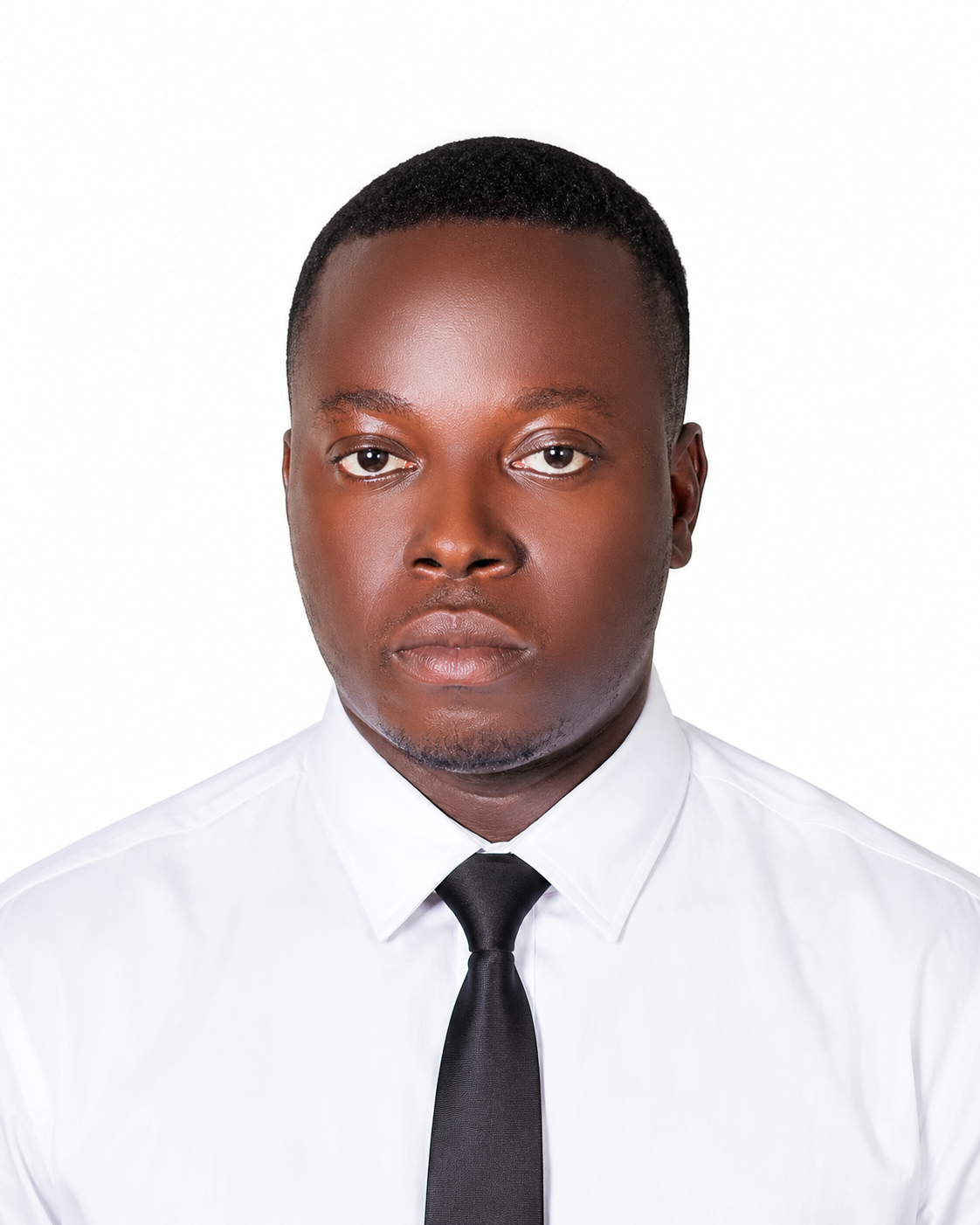
Christian Chinonso is the founder of LearnViaHub, with 6+ years of research experience in international education — including GPA systems, scholarships, student financing, and study-abroad guidance — for students worldwide.