

This is not a Master’s degree program. The Fulbright Nigeria program is exclusively a doctoral research placement for Nigerian PhD candidates who are at least two years into their doctoral program at a Nigerian university. This guide covers eligibility, the U.S. Embassy Abuja application process, the June 1 deadline, TOEFL requirements, and everything you need to apply.
📅 Last Updated: September 2026
✅ Fact‑Checked Using: U.S. Embassy Nigeria (ng.usembassy.gov/the-fulbright-foreign-student-program/)
⏱️ Reading Time: Approximately 6–8 minutes
📌 Quick Navigation
✓ Why Trust This Guide?
This guide is based on the official U.S. Embassy Nigeria Fulbright Foreign Student Program page. All eligibility rules, deadlines, and benefit details below are sourced directly from the U.S. Mission in Nigeria’s official announcement. This is not a general guide — it reflects the specific, narrow structure of the Nigeria program. Always verify details on the official embassy page before applying, as program rules may change between cycles.
Content written by LearnViaHub team, reviewed by Christian Chinonso, Founder, LearnViaHub.
Fulbright Nigeria Snapshot – Doctoral Research Placement
| Sponsor | U.S. Department of State, administered by U.S. Embassy Abuja |
| Program Type | Doctoral Research Placement — NOT a degree program |
| Funding | Fully Funded (airfare, stipend, housing, health insurance, allowances) |
| Target Audience | PhD candidates at least 2 years into their program at a Nigerian university |
| Eligible Fields | Science, engineering, technology, arts, journalism/media, agriculture, economics, environmental science, international relations, political science, public administration, education, public health, tourism |
| Degree Objective | “Visiting Researcher” or “non-degree” — NOT a degree-seeking program |
| English Test | TOEFL — minimum 90 |
| GRE/GMAT | Not required |
| Dependents | Not covered — grantees cannot travel with spouse or children |
| Application Window | Opens February 1 — Strict deadline June 1 |
| Official Link | ng.usembassy.gov/the-fulbright-foreign-student-program/ |
⚠️ Important: This is NOT a Master’s Degree Program
The Fulbright Nigeria program is exclusively for doctoral candidates who are already at least two years into their PhD program at a Nigerian university. Master’s and first-degree applicants are NOT qualified to apply. If you are a Master’s student or recent graduate, this program is not for you — please see the “Alternative Pathways” section below for other opportunities.
📘 New to Fulbright? Start with our complete How to Apply for Fulbright Scholarship guide for a step‑by‑step walkthrough of the general process.
🌍 See all 25 country guides: Use the interactive country eligibility tool on our pillar page to compare requirements across countries.
Are You Eligible? Fulbright Nigeria PhD Requirements
To apply as a Nigerian candidate for the Fulbright doctoral research placement, you must meet all of the following criteria:
- Be a citizen and resident of Nigeria. Applicants must be Nigerian citizens residing in Nigeria at the time of application.
- Be actively enrolled in a PhD program at a Nigerian university or research institute, and have completed at least two years of doctoral study at the time of application.
- Be a faculty member or aspiring faculty member. The program targets “young and exceptionally promising faculty members” who wish to conduct doctoral research in the United States.
- Hold a bachelor’s or master’s degree that qualifies you for doctoral study. Your academic record should demonstrate strong performance, though there is no specific “Second Class Upper” cutoff stated on the official page.
- Demonstrate English proficiency through a TOEFL score of 90 or higher.
- Apply as a Visiting Researcher or non-degree student. The program is not a degree-seeking program — you will be conducting research, not earning a U.S. degree.
- Be willing to return to Nigeria after the research placement to complete your PhD and continue your academic career.
⚠️ Important: Master’s and first-degree applicants are NOT qualified to apply for this program. There is no separate Master’s Fulbright pathway in Nigeria under the Foreign Student Program. If you are a Master’s student, see the “Alternative Pathways” section below.
Alternative Fulbright Pathways for Nigerian Master’s Students
If you are a Master’s student or recent graduate and do not qualify for the doctoral research placement, consider these other Fulbright-sponsored or similarly funded opportunities:
- Hubert H. Humphrey Fellowship Program: A professional development program for mid-career professionals — not a degree program, but fully funded. Open to Master’s-level professionals with at least five years of work experience.
- Fulbright Visiting Scholar Program: For senior faculty and researchers who hold a PhD or equivalent professional/terminal degree. Not for Master’s students, but worth noting for future.
- Other country Fulbright programs: Some African countries (e.g., Madagascar) offer Master’s-degree Fulbright programs. Use our interactive country eligibility tool to explore other countries’ requirements.
- Other fully funded scholarships: Explore the Scholarships for International Students guide for alternative funding options.
How to Apply – Fulbright Nigeria Step by Step
The Nigerian Fulbright doctoral research placement is managed entirely by the U.S. Embassy in Abuja. Follow these steps:
- Monitor the official embassy page. Visit ng.usembassy.gov/the-fulbright-foreign-student-program/ starting in February each year, when the call for applications is published. The deadline is June 1.
- Register on the online application portal. Applications are submitted through the official portal linked in the embassy’s call for applications (usually the IIE platform at apply.iie.org).
- Prepare your documents. A complete application includes:
- Academic transcripts and degree certificates
- Curriculum Vitae (CV)
- Personal statement / research objectives
- 2–3 letters of recommendation (academic)
- Valid international passport data page
- Proof of doctoral enrollment and completion of at least two years
- Any additional forms specified in the call
- Submit your application before June 1. The embassy enforces a strict deadline — late applications are not accepted.
- Wait for shortlisting. Successful applicants are contacted for an interview at the U.S. Embassy in Abuja. Shortlisted candidates are then required to take the TOEFL. Prepare with our Fulbright Interview Guide.
- Final selection and placement. Those who pass the interview and TOEFL are nominated. The Institute of International Education (IIE) then assists with placement at a U.S. university or research institution.
Fulbright Nigeria Application Timeline
Feb 1
Applications Open
June 1
Strict Deadline
Summer
Shortlisting & Interviews
Following Year
Research Placement Begins
Exact dates are confirmed each cycle on ng.usembassy.gov/the-fulbright-foreign-student-program/.
What the Fulbright Nigeria Research Placement Covers
Selected candidates receive a comprehensive benefits package for their doctoral research placement in the U.S.:
- Round‑trip international airfare between Nigeria and the U.S.
- Settling-in allowance to cover initial expenses upon arrival
- Monthly stipend for living expenses (~$2,000, varies by location)
- Housing allowance to cover accommodation costs
- Books and supplies allowance
- Computer allowance
- Health and accident insurance
- Visa support (J‑1 Exchange Visitor Visa)
Important: The grant does not cover travel of dependents. Grantees are not allowed to travel with spouse or children.
For a full breakdown of Fulbright benefits across different program types, see our Fulbright Benefits & Funding Guide.
Tips to Strengthen Your Application
📚 1. Confirm Your PhD Timeline Early
You must be at least two years into your doctoral program at the time of application. Verify this with your university’s postgraduate office well before February to ensure you meet the threshold.
🔬 2. Define a Clear Research Objective
Your research proposal should be specific, feasible, and aligned with your doctoral work in Nigeria. The embassy panel will evaluate how your proposed U.S. research will advance your PhD and contribute to Nigeria’s development.
🧑🏫 3. Highlight Your Faculty Potential
The program targets “young and exceptionally promising faculty members.” Even if you’re not yet a faculty member, demonstrate your commitment to an academic career in Nigeria. Include teaching experience, conference presentations, or mentorship activities.
🗣️ 4. Prepare for the TOEFL
The minimum required score is 90. Prepare early and take the test before the deadline if possible, though the embassy will guide shortlisted candidates on the timing.
✍️ 5. Choose Referees Who Know Your Research
Your referees should be academic mentors who can speak to your research abilities, intellectual curiosity, and potential as a future faculty member in Nigeria. They should be familiar with your doctoral work.
🎤 6. Practice for the Interview
The U.S. Embassy panel will probe your research plan, your progress in your PhD, and your commitment to returning to Nigeria. Prepare with our Fulbright Interview Guide.
Frequently Asked Questions – Nigeria
1. Can Master’s students apply for Fulbright Nigeria?
No. Master’s and first-degree applicants are NOT qualified to apply for the Fulbright Nigeria program. It is exclusively for PhD candidates who are at least two years into their doctoral program at a Nigerian university. See the “Alternative Pathways” section above for other options.
2. What is the deadline for Fulbright Nigeria?
The strict deadline for submitting online applications and all supplementary documents is June 1. The application portal typically opens on February 1.
3. Is the Fulbright Nigeria program a degree program?
No. It is a doctoral research placement, not a degree program. Applicants should select “Visiting Researcher” or “non-degree” as their degree objective. You will not receive a U.S. degree — you will conduct research to advance your Nigerian PhD.
4. What is the minimum TOEFL score required?
A minimum TOEFL score of 90 is required. The embassy will guide shortlisted candidates on taking the test.
5. Does the scholarship cover dependents?
No. The grant does not cover travel of dependents. Grantees are not allowed to travel with spouse or children. This is a strict program rule.
6. What fields of study are eligible?
Eligible fields include: science, engineering, technology, arts, journalism/public relations/media studies, agriculture/food science, economics, environmental science, international relations, political science, public administration/policy, education, public health, and tourism.
7. Is the GRE or GMAT required?
No. The GRE and GMAT are not required for the Fulbright Nigeria doctoral research placement. The official embassy page makes no mention of these tests.
8. Is there an age limit?
The official page does not state an age limit. The program targets “young and exceptionally promising faculty members,” but there is no published age cutoff.
9. Can I apply if I’m already in the U.S.?
No. You must be resident in Nigeria at the time of application. If you are already studying or living abroad, you are not eligible for this program.
10. Where can I find the official application?
Visit ng.usembassy.gov/the-fulbright-foreign-student-program/ for the official call for applications and the application portal link. The portal is typically managed through the IIE platform at apply.iie.org.
Sources
- U.S. Embassy Nigeria — Fulbright Foreign Student Program Official Page
- Fulbright Foreign Student Program — Global
- IIE Application Portal
Official Resources for Nigerian Applicants
- U.S. Embassy Nigeria Fulbright page: ng.usembassy.gov/the-fulbright-foreign-student-program/
- Fulbright Foreign Student Program (Global): foreign.fulbrightonline.org
- Hubert H. Humphrey Fellowship (Nigeria): ng.usembassy.gov/hubert-humphrey-fellowship-program/
- General application guide: How to Apply for Fulbright Scholarship
- MBA-focused guide: Fulbright MBA Scholarship Guide
- Pillar page with country tool: Fulbright Foreign Student Program
Editorial Disclaimer
This guide is published by LearnViaHub for educational purposes. Fulbright program rules, deadlines, and requirements may change between cycles. Always verify details on the official U.S. Embassy Nigeria Fulbright page (ng.usembassy.gov/the-fulbright-foreign-student-program/) before applying.
Content written by LearnViaHub team, reviewed by Christian Chinonso, Founder, LearnViaHub.
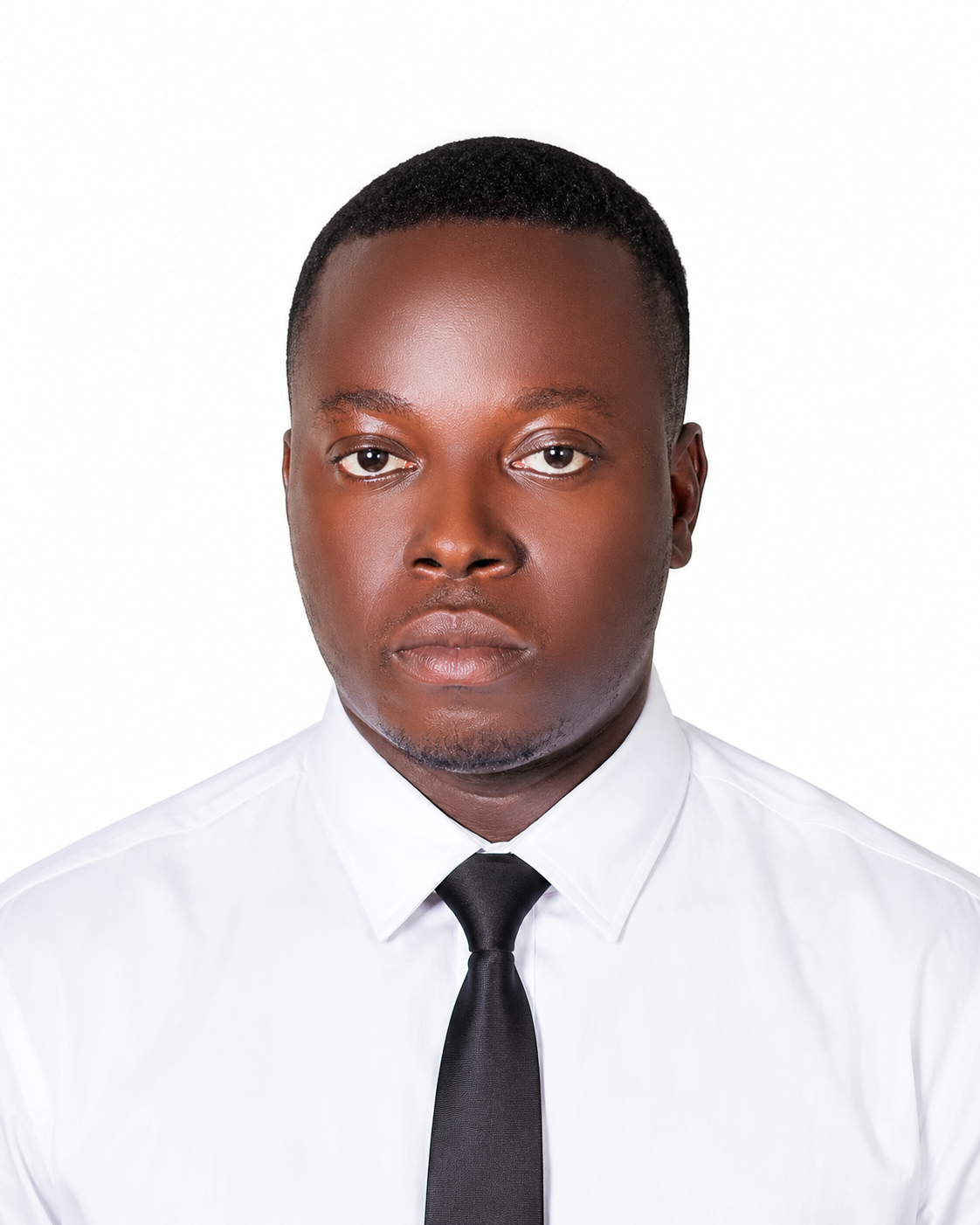
Christian Chinonso is the founder of LearnViaHub, with 6+ years of research experience in international education, GPA systems, and study-abroad guidance for international students.Christian Chinonso is the founder of LearnViaHub, with 6+ years of research experience in international education — including GPA systems, scholarships, student financing, and study-abroad guidance — for students worldwide.