

Quick Answer
Yes, international students can get scholarships in the UK, but most are highly competitive and partial. Unlike UK home students, international students have no government fee cap and typically pay significantly more — scholarships are designed to offset this gap, not eliminate it entirely. Fully funded awards like Chevening and Commonwealth Scholarships exist but are extremely selective. Realistic funding starts with university-specific awards, then expands to government and private sources.
UK Scholarships at a Glance
| Detail | Information |
|---|---|
| Main funding sources | UK government (Chevening, Commonwealth), universities, private trusts |
| Fully funded flagships | Chevening, Commonwealth Master’s & PhD Scholarships |
| Partial funding | University awards, GREAT Scholarships (£10,000 typical), subject-specific bursaries |
| PhD funding | UKRI studentships, university doctoral awards, Commonwealth PhD Scholarships |
| Return-home obligation | Applies to Chevening and Commonwealth awards |
| English requirement | University-set; IELTS, TOEFL, PTE, or Medium of Instruction may be accepted |
Why Study in the UK on a Scholarship?
The UK is one of the world’s leading study destinations, but it is also one of the most expensive — particularly for international students who pay uncapped fees. Scholarships are not just helpful; they are often the deciding factor in whether a student can afford to study here.
Key Facts
- International students made up 24% of the UK higher education population in 2023/24, contributing over £20 billion annually to the UK economy (source: HESA — verify at hesa.ac.uk).
- UK tuition fees for international students typically range £8,000 to £45,000+ per year, with no government fee cap. UK home students are capped at £9,535 per year in 2026/27.
- The Graduate Route visa allows most international graduates to stay and work for 2 years after their course (3 years for PhD graduates).
Types of Scholarships for International Students in the UK
UK scholarships fall into three main categories. University-funded awards are often the most numerous but least visible, while government programmes are the most competitive.
| Scholarship Type | Who Funds It | Key Characteristics |
|---|---|---|
| Government-Funded | UK government (Chevening, Commonwealth) or your home country government | Fully or mostly funded; highly competitive; often aimed at future leaders; may require returning home after study. |
| University-Funded | Individual UK universities | Most common source; automatic or separate application; amounts from £1,000 to full tuition. |
| Private / Organization-Funded | Charities, trusts, corporations | Often targeted by nationality, subject, or background; amounts smaller but stackable. |
Scholarships by Study Level
Undergraduate Scholarships
Full scholarships for international undergraduates are rare. Most funding comes from university-specific awards — often automatically considered when you apply. Some institutions offer partial tuition reductions of £1,000–£5,000 per year. GREAT Scholarships occasionally include undergraduate awards. External charitable trusts may fund students from specific countries or backgrounds.
Master’s Scholarships
This is where the most prominent UK scholarships are concentrated. Chevening and Commonwealth Master’s Scholarships are the two flagship fully funded programmes. Many UK universities also offer dedicated master’s scholarships for international students, typically from £2,000 to full tuition.
PhD Scholarships
PhD funding is widespread but competitive. Many UKRI-funded doctoral training programmes and universities offer fully funded studentships with a tax-free stipend (UKRI’s minimum benchmark for 2026/27 is £21,805 per year). Commonwealth PhD Scholarships also provide full funding for students from Commonwealth countries.
Top Scholarship Programmes for International Students in the UK
Chevening Scholarships
The UK government’s flagship fully funded master’s scholarship for individuals with leadership potential from over 160 countries. Covers full tuition, monthly stipend, travel, and allowances. Requires two years of work experience and a two-year return-home commitment. See our Chevening application guide.
Commonwealth Scholarships
Funded by the UK government and administered by the CSC. Fully funded master’s and PhD scholarships for students from Commonwealth countries, with priority given to lower and middle-income countries. See our Commonwealth Scholarship overview.
GREAT Scholarships
A partnership between the British Council and the UK government offering postgraduate scholarships typically worth £10,000 toward tuition fees at participating UK universities. Eligibility varies by country and institution.
University-Funded Example: Bristol Think Big Scholarships
University of Bristol offers Think Big Scholarships for international students. Undergraduate awards range from £6,500 to £13,000 per year; postgraduate awards from £6,500 to £26,000 per year. Many other UK universities run similar schemes — always check each institution’s scholarship page.
How to Apply for UK Scholarships — Step by Step
- Identify the right scholarships. Start with Chevening and Commonwealth if you match the criteria, then search university websites for institution and department-level awards.
- Secure your university place. Many scholarships require a conditional or unconditional offer before applying.
- Prepare documents early. Transcripts, personal statement, recommendation letters, CV, and English proficiency proof. Chevening also requires a detailed career plan essay.
- Tailor every application. Explain exactly why that programme, that university, and that scholarship connect to your goals.
- Submit by the deadline. UK scholarship timelines stretch across months. Plan backward from each deadline.
- Plan for the funding gap. Visa fees, immigration health surcharge, and living costs above the award may still apply.
Common Mistakes That Damage UK Scholarship Applications
- Applying only to Chevening. Odds are very low; apply to multiple scholarships.
- Ignoring university-specific awards. Departmental scholarships often have fewer applicants.
- Submitting a generic personal statement. Vague “I want to study in the UK” essays are rejected quickly.
- Not checking eligibility details. Return-home obligations, work-experience minimums, or country restrictions can disqualify you early.
- Missing English language requirements. Secure IELTS/PTE/TOEFL or Medium of Instruction evidence early.
Frequently Asked Questions
Can I get a full scholarship to study in the UK?
▼
Can I get a scholarship in the UK without IELTS?
▼
Do I need an offer from a UK university before applying for a scholarship?
▼
How competitive is the Chevening Scholarship?
▼
Are there scholarships for specific nationalities or regions?
▼
What is the Graduate Route visa?
▼
Official Resources
Continue your scholarship journey:
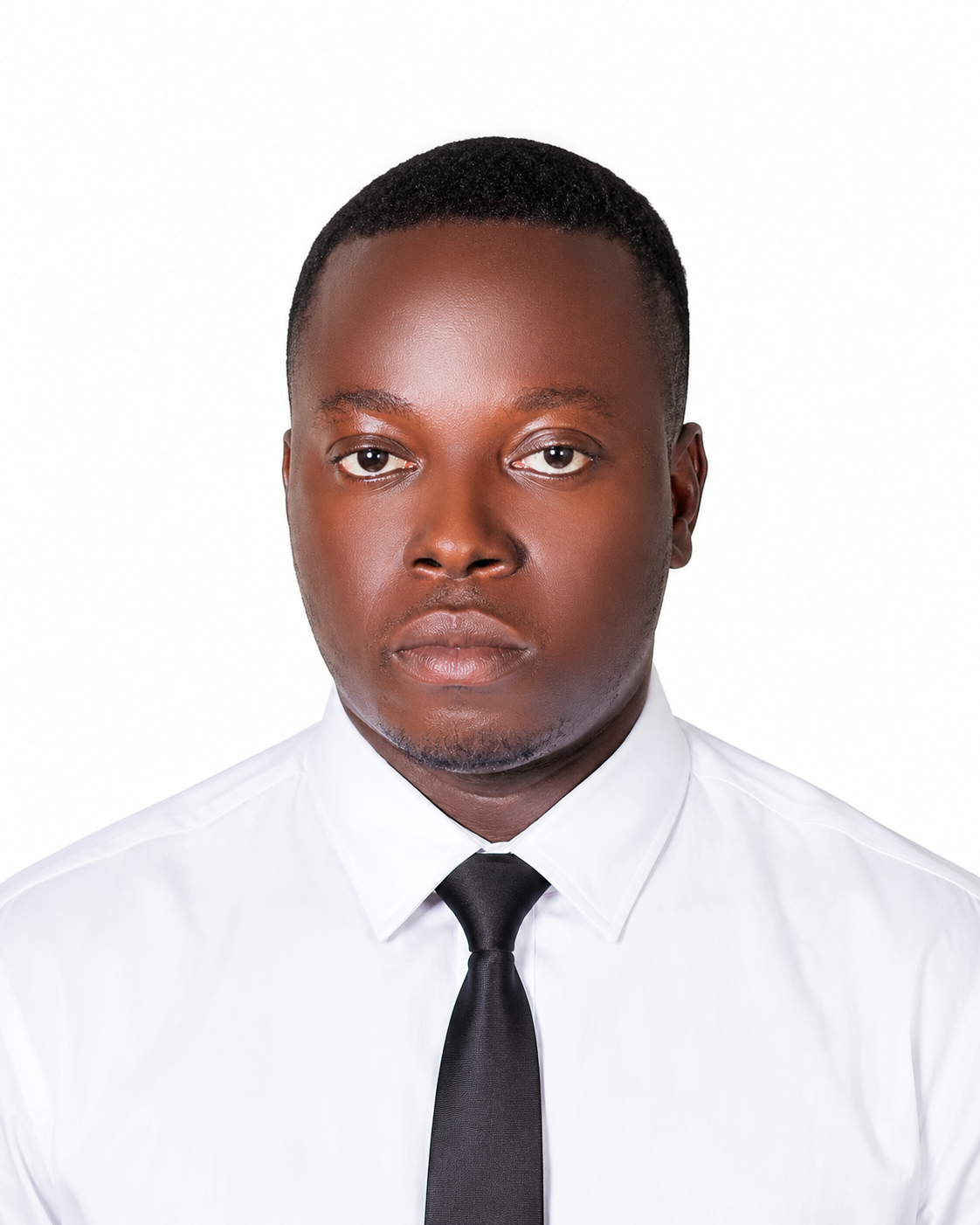
Christian Chinonso is the founder of LearnViaHub, with 6+ years of research experience in international education, GPA systems, and study-abroad guidance for international students.Christian Chinonso is the founder of LearnViaHub, with 6+ years of research experience in international education — including GPA systems, scholarships, student financing, and study-abroad guidance — for students worldwide.