
Written by Christian Chinonso
Founder, LearnViaHub | Academic Credential & International Student Research
Quick answer
The biggest differences are work experience and what you owe afterwards. Chevening requires at least two years (2,800 hours) of work experience and a commitment to return home for at least two years (Chevening eligibility). DAAD’s EPOS scholarship also asks for two years of professional experience (DAAD scholarship database). Fulbright grantees are subject to a two-year home-country presence requirement (Fulbright Commission UK), and its work experience rules are set by each country.
On money, only two programmes publish one monthly figure: Erasmus Mundus at €1,400 for up to 24 months (Erasmus+) and DAAD EPOS at €992 for graduates (DAAD). Chevening says it is fully funded (Chevening), and Fulbright’s amount depends on your country.
We found no comparable official acceptance rates for all four, so we do not rank them by difficulty. We also do not cover Marshall or Commonwealth scholarships here.
This guide is part of our Fulbright Foreign Student Program overview. For what Fulbright pays, see the benefits guide.
Side-by-side comparison
Every cell below comes from the official page named in it. “DAAD” here means the EPOS scholarship, which is one DAAD programme. DAAD offers others with different rules.
| Feature | Fulbright Foreign Student | Chevening | DAAD EPOS | Erasmus Mundus |
|---|---|---|---|---|
| Where you study | United States (Foreign Fulbright Program) | United Kingdom (Chevening) | Germany, at courses on DAAD’s list (DAAD) | A programme run by at least three universities in at least three countries (Erasmus+) |
| Degree level | Master’s or doctorate (Foreign Fulbright Program) | One-year master’s (Chevening) | Master’s, and a doctorate in exceptional cases (DAAD) | Joint master’s (Erasmus+) |
| Work experience | Set by your country’s commission. Requirements vary from country to country (Fulbright France guide). | At least two years (2,800 hours) after your undergraduate degree. Part-time work, volunteering and internships can count (Chevening). | At least two years of professional experience after your first degree (DAAD). | We found none stated in the Erasmus+ pages we read. Check the entry requirements of the programme you choose. |
| What it pays | Set by your country. See our benefits guide. | “Fully funded”. Amounts are on Chevening’s site. | €992 a month for graduates, plus insurance payments and a travel allowance. Funding lasts 12 to 42 months depending on the course (DAAD). | €1,400 a month, up to 24 months (Erasmus+). Scholarships cover participation costs, and some add travel, visa and settlement contributions (EEAS). |
| After you finish | Two-year home-country physical presence requirement for all grantees (Fulbright Commission UK). | You must commit to returning home for at least two years after the scholarship ends (Chevening). | We found no return requirement in the DAAD entry we read. Check your course’s terms. Graduates of German universities can apply for a residence permit of up to 18 months to look for a job (Make it in Germany). | We found no return requirement in the Erasmus+ pages we read. Check the programme’s terms. |
| Who can apply | Through the country where you hold citizenship (Fulbright blog). | Citizens of Chevening-eligible countries. You must also apply to three UK courses and hold an unconditional offer from at least one by the deadline (Chevening). | Graduates from developing and newly industrialised countries on DAAD’s country list (DAAD). | Check each programme’s own page for who can apply. |
Which one fits your situation?
The table below applies the official rules above to common situations. The right-hand column is our reading of those rules, not an official recommendation, so confirm with each programme before you apply.
| Your situation | What the official rules say | Our reading |
|---|---|---|
| You have less than two years of work experience | Chevening and DAAD EPOS both require two years. Fulbright’s requirement depends on your country. | Check your Fulbright commission first, then individual Erasmus Mundus programmes. |
| You want a doctorate | Fulbright covers master’s or doctorate. DAAD EPOS covers a doctorate in exceptional cases. Chevening and Erasmus Mundus describe master’s degrees. | Fulbright is the clearer route, depending on your country. |
| You want a one-year degree | Chevening funds one-year master’s degrees. DAAD funding runs 12 to 42 months. Erasmus Mundus funding runs up to 24 months. | Chevening fits best. Check course length for the others. |
| Your country is not on a programme’s list | DAAD EPOS and Chevening apply only to listed countries. Fulbright requires you to apply through your country of citizenship. | Check each country list before spending time on an application. |
| You want to work in the study country afterwards | Fulbright and Chevening require a two-year return or presence at home. Germany offers a residence permit of up to 18 months for job-seeking graduates of German universities. | Read the exact award terms for any programme you apply to, including DAAD and Erasmus Mundus. |
Frequently asked questions
Which has the highest monthly stipend?
Do I need work experience for these scholarships?
Do these cover undergraduate degrees?
The official pages we read describe master’s and doctoral study only. Fulbright’s foreign student grants are for a master’s or doctorate (Foreign Fulbright Program), and Chevening funds master’s degrees (Chevening).
Can I apply to more than one?
We found no rule against it in the pages we read. Note each programme’s own limits: Chevening requires you to apply to three UK courses (Chevening), and Fulbright France’s guide says applicants may apply for one Fulbright award per cycle (Fulbright France guide).
Which is the most competitive or easiest?
We found no comparable official acceptance rates for all four, so we do not rank them. Eligibility is the practical filter. See our guide to Fulbright acceptance rates for what is and is not published for Fulbright.
Continue your Fulbright research
How we researched this
Last checked: 22 October 2026. We read the Foreign Fulbright Program page, Fulbright’s guidance on where to apply, the Fulbright Commission UK application instructions (2024–25), the Fulbright France guide (2027–28), Chevening’s eligibility and scholarships pages, the DAAD EPOS database entry, the Erasmus+ programme page and the EEAS summary, and Make it in Germany.
We did not include acceptance rates, Chevening’s monthly amounts or tuition caps, deadlines, or any figure we could not trace to these pages. Where a page was silent, for example on return requirements for DAAD and Erasmus Mundus, we say so instead of guessing. The “Our reading” column is our own suggestion.
Rules change between cycles and between individual programmes, so confirm with the programme before you apply. LearnViaHub is not affiliated with Fulbright, Chevening, DAAD or Erasmus Mundus.
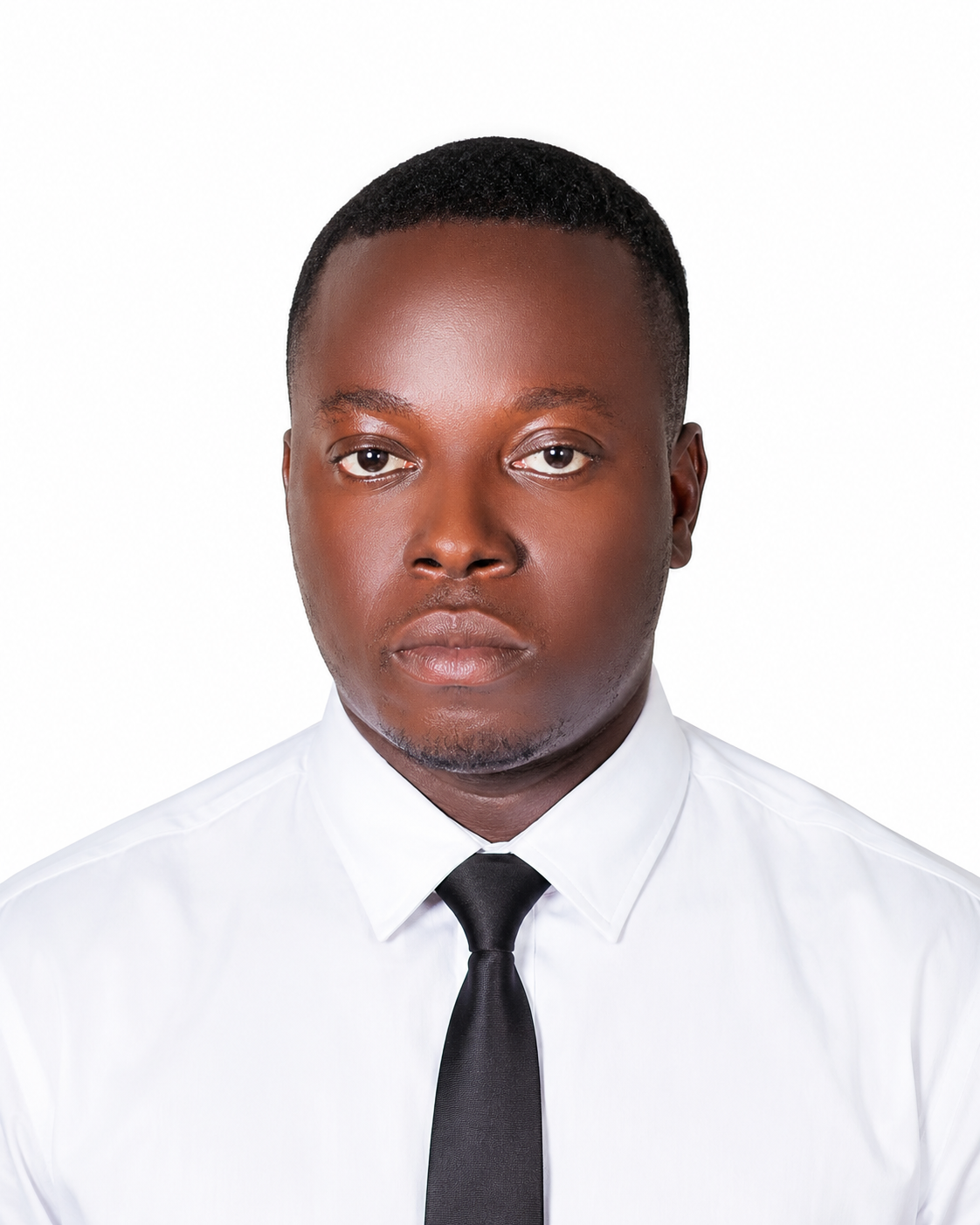
Christian Chinonso is the founder of LearnViaHub, with 6+ years of research experience in international education — including GPA systems, scholarships, student financing, and study-abroad guidance — for students worldwide.